Creativ Studio
Site blog

Discover the powerful synergy between Artificial Intelligence (A.I.) and human creativity in course creation. Learn how to optimize personalized learning paths, data-driven insights, and critical thinking cultivation for unparalleled learning experiences. Find out why merging A.I. and human expertise is essential for the future of education. 🌐💡🎯🤖📈🎨
The digital age has ushered in an era of remarkable advancements in technology, and one field that has been profoundly impacted is education. The integration of Artificial Intelligence (A.I.) in course creation has opened up new possibilities, allowing educators to develop and deliver content with greater efficiency and personalization. However, the question arises: Should A.I. replace human creativity in the course creation process? In this blog post, we will explore the benefits and limitations of A.I. in education and argue that the ideal approach lies in merging the powers of A.I. and human creativity to achieve unparalleled learning experiences. 🌐💡
The Rise of A.I. in Course Creation
Over the last decade, A.I. has rapidly evolved, empowering educators with powerful tools and algorithms for content generation, assessment, and student support. A.I.-based platforms can analyze vast amounts of data to identify student learning patterns, provide personalized feedback, and adapt course content accordingly. Furthermore, A.I. can automate routine tasks, freeing up educators to focus on higher-level instructional design and student engagement. 📚📈
Benefits of A.I. in Course Creation
-
Personalization: A.I. enables the creation of personalized learning paths, catering to each student's unique needs and learning pace. By analyzing individual strengths and weaknesses, A.I. algorithms can recommend relevant content, exercises, and assessments, leading to a more effective learning experience. 🎯📝
-
Efficiency: A.I. automates time-consuming tasks, such as content curation, grading, and administrative work, allowing educators to allocate more time to interact with students and foster meaningful discussions. 🤖⏱️
-
Data-Driven Insights: A.I. can analyze data from student interactions, performance, and feedback to gain insights into the effectiveness of course materials and make data-driven improvements for future iterations. 📊📈
-
Adaptive Learning: A.I.-powered adaptive learning platforms adjust the difficulty of course content based on each student's comprehension level, ensuring optimal challenge without overwhelming or under-stimulating learners. 🔄📚
Limitations of A.I. in Course Creation
While A.I. holds immense potential, it is essential to acknowledge its current limitations to make informed decisions in course design. ❌🚧
-
Lack of Human Creativity: A.I. algorithms lack human creativity, which can hinder the development of courses that evoke emotions, spark curiosity, and promote critical thinking. Creative aspects, such as storytelling and analogies, are essential for engaging learners and facilitating deeper understanding. 🎨📚
-
Contextual Understanding: A.I. algorithms struggle to grasp the nuanced context and cultural relevance required in certain subject areas. Educators bring their deep understanding of the local context and cultural sensitivity, enriching the learning experience. 🌍🌐
-
Ethical Considerations: A.I. algorithms might inadvertently perpetuate bias or promote misinformation if not carefully designed and monitored. Human educators can provide ethical guidance, encouraging students to think critically about the sources and implications of the information they encounter. 🚦⚠️
The Power of Merging Minds
To harness the true potential of A.I. in course creation while preserving the essence of human creativity, educators must adopt a collaborative approach that merges A.I. with human expertise. Here's how: 🤝💻
-
Complementary Roles: A.I. should be seen as a powerful ally rather than a replacement for educators. It can handle data analysis, provide insights, and automate routine tasks, while educators focus on designing content that stimulates curiosity, encourages debate, and nurtures creativity. 🔄🎭
-
Human-Centric Design: Instead of relying solely on A.I.-generated content, educators should leverage A.I. insights to inform their instructional design decisions. Understanding students' learning patterns and preferences allows educators to create courses that resonate with their audience. 🎯💡
-
Contextualization: Educators add value by contextualizing course content, making it relevant to the students' lives and experiences. A.I. can provide a broad knowledge base, but it's the educators who interpret and adapt that knowledge to fit specific contexts. 🌐🌱
-
Embracing Diversity: Human educators are better equipped to promote inclusivity and diversity in course content. They can ensure that content reflects a variety of perspectives, cultures, and voices, fostering a richer learning environment. 🌍🌈
-
Critical Thinking Cultivation: A.I. can aid in assessing students' performance, but it's the educators who facilitate critical thinking and encourage students to question, debate, and analyze information critically. 🤔💡
In the dynamic landscape of education, the integration of A.I. in course creation presents exciting possibilities. By harnessing A.I.'s data-driven insights and efficiency and combining them with human creativity, educators can design courses that are both personalized and inspiring. Embracing the collaboration between A.I. and human minds, we can ensure a holistic approach to education that empowers learners to thrive in an ever-changing world. 🚀📚
If your interested in creating your own course then join Carl Medley live for a 3 Day Course Creation bootcamp. Learn more!
Sources:
- Siemens, G. (2013). Learning analytics: the emergence of a discipline. American Behavioral Scientist, 57(10), 1380-1400.
- Baker, R. S. (2010). Data mining for education. International Encyclopedia of Education, 7, 112-118.
- Hartmann, K., & Wurst, M. (2018). Machine learning for adaptive education systems—A systematic literature review. Computers in Human Behavior, 88, 402-412.
- Selwyn, N. (2019). Is technology good for education? Oxford Research Encyclopedia of Education.
- Zawacki-Richter, O., & Naidu, S. (2016). Mapping research trends from 35 years of publications in Distance Education. Distance Education, 37(3), 245-269. 📚🔍

📈 Did you know that preselling your digital course can be a game-changer for your online business? 📈
If you're an aspiring course creator or seasoned entrepreneur looking to dive into the world of e-learning, preselling your digital course can be the ultimate strategy to supercharge your success. In this post, we'll explore the undeniable benefits of preselling, backed by real statistics, and set the stage for an exciting upcoming event - the BrainBrew A.I. 3-Day Course Creation Bootcamp!
🎯 Benefit #1: Validate Your Idea with Real Demand 🎯
Preselling allows you to test the waters and validate your course idea before investing significant time and effort. By offering your course to a limited audience in advance, you can gauge their interest and collect valuable feedback. According to a study by Statista, 27% of course creators reported that validating their course idea through presales helped them create a more relevant and successful course.
🎯 Benefit #2: Generate Early Revenue and Funding 🎯
Who doesn't love earning money even before fully developing their course? Preselling enables you to generate early revenue, providing you with the financial resources to create a high-quality course without stressing about expenses. In fact, a survey by Thinkific revealed that 72% of course creators said preselling significantly helped them fund their course creation process.
🎯 Benefit #3: Build a Loyal Community 🎯
Preselling fosters a sense of community around your course right from the start. Early adopters become invested in your success and can turn into loyal brand ambassadors. They'll provide testimonials, reviews, and share their positive experiences, which can tremendously boost your course's credibility. According to a study by HubSpot, 83% of consumers trust recommendations from their peers over advertising.
🎯 Benefit #4: Reduce Wasted Efforts 🎯
Imagine spending months crafting a course only to find out there's little demand for it. Preselling helps you avoid this scenario. By preselling, you ensure that there's a genuine interest in your course topic, saving you time and resources. According to a report by CB Insights, 17% of startups fail due to a lack of market demand for their product - don't let your course fall into the same trap!
🎯 Benefit #5: Gain Confidence and Motivation 🎯
When you see people eagerly enrolling in your course during the preselling phase, it's an incredible confidence booster. You'll gain the motivation to deliver your best work, knowing that there's a genuine audience awaiting your knowledge. This newfound confidence will reflect in the course quality, leading to higher student satisfaction and increased referrals.
🌟 Join the BrainBrew A.I. 3-Day Course Creation Bootcamp 🌟
Now that you're inspired by the undeniable benefits of preselling your digital course, it's time to take action and hone your course creation skills to perfection! Join us at the upcoming BrainBrew A.I. 3-Day Course Creation Bootcamp, where you'll embark on a transformative journey towards becoming a master course creator.
🚀 Imagine having the expertise to craft compelling content, engaging videos, and interactive quizzes that captivate your students. 🚀
In this immersive bootcamp, you'll learn the art of preselling, harness the power of cutting-edge A.I. tools to enhance your course creation process, and discover the secrets to building a thriving online course business. Our team of expert instructors will be there every step of the way, sharing their insights and experiences to set you up for unmatched success.
🎟️ Secure your spot now and be ready to transform your course creation game forever! Visit 3 Day BrainBrew A.I. Course Creation Bootcamp or click the link in my profile for more details and grab our early-bird discount before it's gone.
Let's shape the future of online education together - one remarkable course at a time! See you at the BrainBrew A.I. 3-Day Course Creation Bootcamp! 🌟

In recent years, artificial intelligence (A.I.) has emerged as a powerful tool that positively impacts various aspects of our lives. One area where A.I. is making significant strides is in the field of education, specifically in course creation. With its ability to process vast amounts of data, analyze patterns, and generate personalized content, A.I. is revolutionizing the way courses are designed, developed, and delivered. In this blog post, we will explore how A.I. is positively impacting course creation, benefiting both educators and learners.
Enhanced Personalization:
One of the significant advantages of A.I. in course creation is the ability to provide enhanced personalization. A.I.-powered algorithms can analyze learner data, including their preferences, strengths, weaknesses, and learning styles. By utilizing this information, educators can tailor course content to suit individual needs, ensuring that learners receive a more personalized and engaging learning experience.
Through adaptive learning platforms, A.I. algorithms can identify knowledge gaps and offer targeted recommendations to fill them. This personalized approach enables learners to focus on areas that require attention, resulting in improved learning outcomes. Furthermore, A.I. can dynamically adjust the difficulty level of content, ensuring that learners are appropriately challenged without feeling overwhelmed or bored.
Efficient Content Creation:
A.I. streamlines the course creation process by automating certain tasks, making it more efficient and time-effective for educators. Natural Language Processing (NLP) algorithms can analyze existing course materials, textbooks, scholarly articles, and online resources to extract relevant information. This information can then be organized, curated, and transformed into comprehensive course content.
Additionally, A.I.-powered content generation tools can produce automated summaries, generate quizzes and assessments, and create interactive learning materials. This not only saves educators considerable time but also enables them to focus more on higher-level instructional design and student support.
Continuous Learning and Feedback
A.I.-enabled course creation facilitates continuous learning and feedback. Machine Learning algorithms can monitor learner progress in real-time, analyzing their interactions, performance, and engagement with course materials. Based on this data, A.I. can generate actionable insights and provide timely feedback to both learners and educators.
By leveraging A.I., educators can identify common misconceptions, areas of difficulty, or topics that require additional explanation. They can intervene and provide targeted support to learners, offering personalized guidance and clarification. Furthermore, A.I.-driven chatbots and virtual assistants can be integrated into online learning platforms, offering 24/7 support, answering questions, and providing instant feedback.
Data-Driven Decision Making
A.I. in course creation enables data-driven decision making. By analyzing vast amounts of learner data, A.I. algorithms can identify trends, patterns, and correlations. Educators can use this information to make informed decisions about instructional strategies, content revisions, and course improvements.
Moreover, A.I. can help identify at-risk learners, predict potential dropout rates, and recommend interventions to enhance student success and retention. Educators can also leverage A.I. to assess the effectiveness of different teaching methodologies, gather insights on learner preferences, and identify areas for curriculum enhancement.
Conclusion
Artificial intelligence has undoubtedly revolutionized course creation, bringing about numerous positive impacts on education. From enhanced personalization and efficient content creation to continuous learning and data-driven decision making, A.I. empowers educators to create more effective and engaging courses. By harnessing the power of A.I., educators can provide personalized learning experiences, streamline content creation processes, offer continuous feedback, and make informed instructional decisions. As A.I. continues to advance, we can expect even greater innovations in course creation, leading to a more inclusive and accessible education landscape.
Furthermore, A.I. can support the creation of courses in emerging fields and industries. As technology rapidly evolves, traditional educational resources may struggle to keep up with the pace of change. A.I. can analyze industry trends, job market demands, and emerging technologies to develop relevant and up-to-date course content. This ensures that learners are equipped with the skills and knowledge needed to thrive in the modern workforce.
In addition to benefiting educators, A.I.-powered course creation also has a positive impact on learners. Personalized content and adaptive learning systems enable students to learn at their own pace and in their preferred style. By addressing individual needs and providing tailored support, A.I. helps to create a more engaging and effective learning experience. This personalized approach can enhance motivation, reduce frustration, and increase overall learner satisfaction.
Moreover, A.I. can facilitate lifelong learning by providing continuous access to educational resources. Online platforms utilizing A.I. algorithms can recommend relevant courses, articles, and learning materials based on individual interests and prior learning experiences. Learners can explore new subjects, acquire new skills, and adapt to changing career demands, all with the guidance of intelligent algorithms that curate and suggest appropriate learning pathways.
While A.I. brings numerous benefits to course creation, it is essential to acknowledge and address potential challenges. Ethical considerations, such as data privacy and algorithmic bias, must be carefully managed to ensure fairness and inclusivity. Educators should also maintain a balance between the role of technology and the human touch, understanding that A.I. is a tool to enhance education, not a substitute for the expertise and guidance of skilled educators.
In conclusion, A.I. is revolutionizing course creation by positively impacting various aspects of education. Through enhanced personalization, efficient content creation, continuous learning, and data-driven decision making, A.I. empowers educators to create dynamic, engaging, and effective courses.
Learners benefit from personalized learning experiences, access to up-to-date content, and continuous support. As we continue to harness the potential of A.I. in education, we pave the way for a future where learning is more inclusive, accessible, and tailored to individual needs. By embracing A.I., we unlock the transformative power of technology to shape the future of education. If you are looking how to create a course using A.I. then checkout coolsmedley.com/ai

According to the American College of Obstetricians and Gynecologists (ACOG), pregnant women should aim to consume an additional 300-500 calories per day compared with their pre-pregnancy intake. These extra calories should come from nutrient-dense foods such as fruits, vegetables, whole grains, lean proteins, and low-fat dairy products. Eating a balanced diet during pregnancy not only helps ensure that you're providing adequate nutrition for your baby but can also help prevent complications such as gestational diabetes or preeclampsia.
The Benefits of Prenatal Yoga Practicing prenatal yoga has numerous benefits for both mother and child. Some of these benefits include:
1) Improved Sleep Quality: Many expectant mothers struggle with insomnia or disrupted sleep patterns during pregnancy due to hormonal changes or discomforts such as back pain or heartburn. Prenatal yoga can help promote relaxation by reducing stress levels while improving blood flow throughout the body – ultimately leading to better-quality sleep at night.
2) Reduced Stress Levels: Pregnancy can be stressful on both physical and emotional levels – especially if it's your first time experiencing motherhood! Incorporating regular prenatal yoga practice into your routine can help alleviate anxiety symptoms by promoting mindfulness techniques like deep breathing exercises or meditation practices that help calm the nervous system.
3) Increased Flexibility and Strength: Prenatal yoga can help improve flexibility and strength in preparation for childbirth. By focusing on poses that target key muscle groups such as the pelvic floor, hips, and back muscles – expectant mothers can better prepare their bodies for labor while reducing discomforts like lower back pain or sciatica.
4) Improved Digestion: Constipation is a common issue during pregnancy due to hormonal changes that slow down digestion. Practicing prenatal yoga can help stimulate digestive processes by promoting gentle movements of the body – ultimately helping alleviate constipation symptoms while improving overall gut health.
The Importance of a Balanced Diet When Practicing Prenatal Yoga While practicing prenatal yoga has numerous benefits for both mother and child, it's important to remember that diet also plays a crucial role in maintaining a healthy pregnancy.
Here are some tips for eating well when practicing prenatal yoga:
1) Eat Regular Meals: Eating regular meals throughout the day (ideally every 2-3 hours) helps maintain stable blood sugar levels while providing your body with sustained energy needed to support your growing baby.
2) Focus on Nutrient-Dense Foods: Consuming nutrient-dense foods such as fruits, vegetables, whole grains, lean proteins, and low-fat dairy products not only provides essential vitamins and minerals but also helps prevent excessive weight gain during pregnancy.
3) Stay Hydrated: Drinking plenty of water throughout the day helps keep you hydrated while supporting proper fetal development. Aim to drink at least eight glasses of water per day (or more if you're exercising).
4) Avoid Processed Foods: Processed foods tend to be high in added sugars or unhealthy fats – which can lead to excessive weight gain or gestational diabetes during pregnancy. Instead, focus on consuming whole foods like fresh produce or lean proteins whenever possible.
5) Listen To Your Body: Every woman's nutritional needs are unique – especially during pregnancy! Listen to your body and eat when you're hungry, stop eating when you're full, and avoid foods that make you feel uncomfortable or bloated.
Practicing prenatal yoga is an excellent way for expectant mothers to stay healthy and active during pregnancy. However, it's important to remember that diet also plays a crucial role in maintaining a healthy pregnancy. Eating a well-balanced diet rich in nutrient-dense foods can help support both yourself and your growing baby while reducing the risk of complications such as gestational diabetes or preeclampsia. By following these simple tips for eating well when practicing prenatal yoga – expectant mothers can enjoy all the benefits of this wonderful practice while ensuring optimal health outcomes for themselves and their babies.

If you're looking to take your online course to the next level and start monetizing it, there are some key strategies you can take advantage of. By exploring methods that expand your reach and strengthen your connection with customers, such as using marketing platforms or participating in webinars, you can ensure that more people know about and enroll in your courses.
You should also look for ways to build rapport with your client base so that they become devoted students. With a combination of effective techniques like these, you can reasonably expect to maximize earnings from your online course, eventually turning it into a successful and lucrative business.
- Identify your target audience: Before you start creating your course, it's important to have a clear understanding of who your target audience is and what they are looking to learn. This will help you create a course that resonates with your audience and meets their needs. Conduct market research, gather feedback from potential students, and define your target audience as specifically as possible.
- Create high-quality content: The success of your online course depends on the quality of the content you provide. Invest time and effort into creating well-structured, engaging, and informative content that delivers value to your students. Use a variety of media, such as videos, podcasts, slides, and written materials, to make your course more interactive and engaging.
- Price your course appropriately: Pricing your course too low can make it appear less valuable, while pricing it too high may deter potential students. Research similar courses in your field and consider factors such as the length and content of your course, the demand for the subject matter, and your own expertise and experience.
- Promote your course: Once your course is live, it's important to spread the word and attract students. Utilize social media, email marketing, and other online platforms to promote your course and reach your target audience. You can also consider partnering with influencers or industry experts to reach a larger audience.
- Offer additional resources or support: Consider offering additional resources or support to your students to enhance their learning experience and increase their satisfaction with the course. This could include things like one-on-one coaching, a private Facebook group, or additional materials and resources.
- Upsell related products or services: Once students have completed your course, consider offering them related products or services that can help them continue to learn and grow. This could include things like additional courses, coaching services, or consulting.
By implementing these strategies, you can maximize your earnings from your online course and turn it into a successful and lucrative business.

If you are considering selling courses online, you may be wondering which course framework is the best fit for your needs. There are many different approaches to creating and selling courses online, so it can be difficult to decide which one is right for you.
To help make the decision easier, let’s take a look at five popular types of online course frameworks.
Self-Paced Courses
Self-paced courses are designed to give students access to content immediately upon purchase. Once they have purchased the course, they can move through it at their own pace—no deadlines or time restrictions apply. The advantage of this type of framework is that students can learn from the comfort of their homes on their own schedule without worrying about keeping up with other students or being held accountable by an instructor.
Synchronous Courses
Synchronous courses are exactly what they sound like—courses that are synchronized with everyone else taking the same course in real time. Students will be required to log in at a specific time each day or week in order for everyone to stay on the same page and discuss what has been learned thus far in class. This type of framework gives instructors more control over their classes and provides a shared learning experience among all participants.
Asynchronous Courses
Asynchronous courses, on the other hand, offer a much different structure than synchronous courses. Instead of having everyone work together in real-time, this type of course allows people to work independently and submit their work when it’s ready. This offers greater flexibility but also provides less accountability as there isn’t an instructor present throughout the entire course duration.
Hybrid Courses
Hybrid courses combine both synchronous and asynchronous elements into one framework so that students can get the benefit of both types at once. This type of course allows instructors to provide more personalized guidance while still giving learners freedom and flexibility to work at their own pace if needed.
MOOCs (Massive Open Online Courses)
MOOCs are courses offered by colleges and universities that have been opened up for anyone who wants to take them — regardless of whether or not they’re enrolled at that institution — via a digital platform such as edX or Coursera. These types of courses tend to be highly structured with tight deadlines and weekly assignments due on certain days, making them ideal for those looking for a rigorous academic experience in an online format.
With so many options available when it comes to creating an online course, it can be difficult deciding which one is right for you and your business needs. However, by understanding what type of framework each approach offers — self-paced, synchronous, asynchronous, hybrid or MOOC — you can find one that works best for your situation and start building your dream business today!
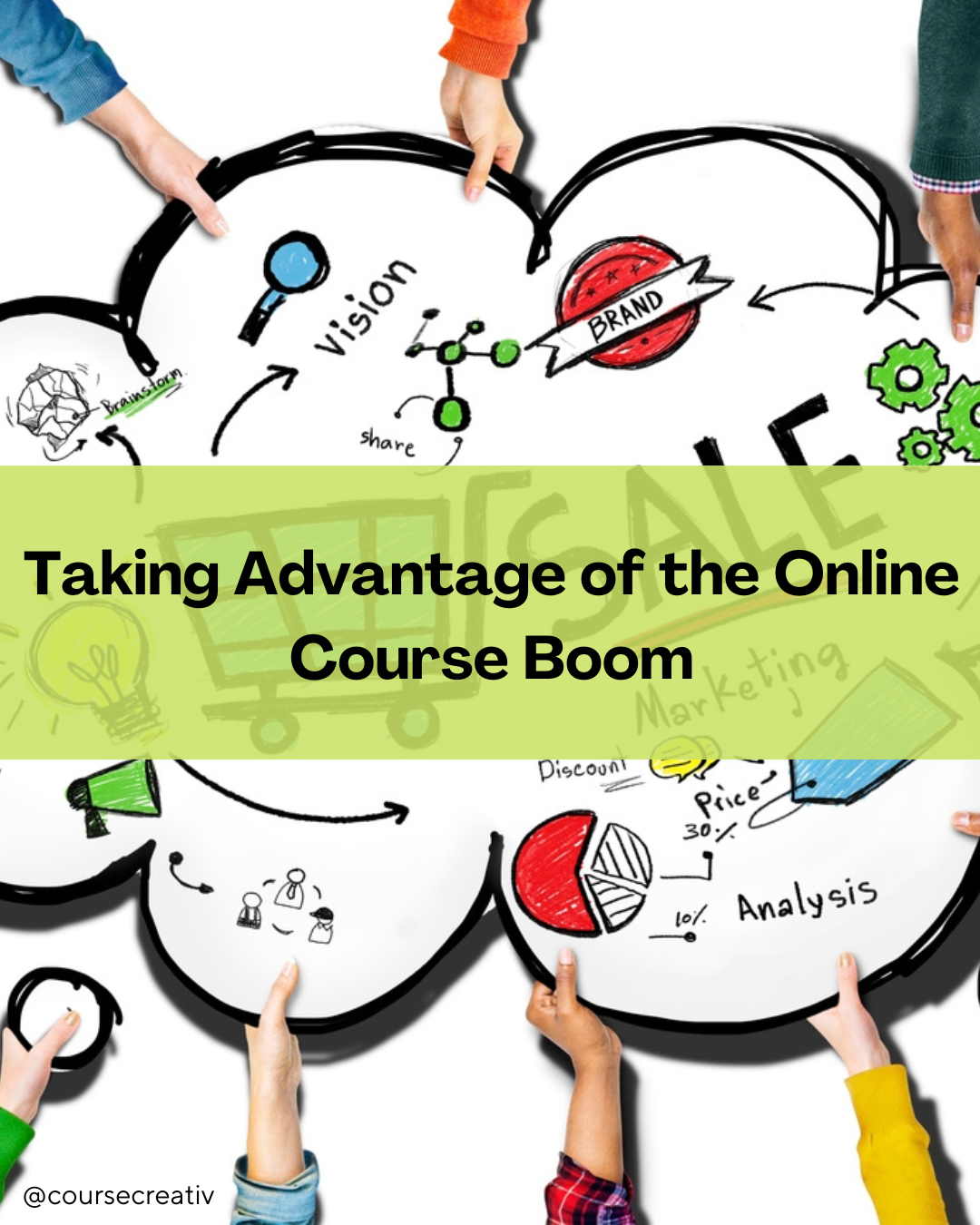
Over the past few years, the online learning industry has seen an unprecedented growth. With more people staying at home due to the pandemic, this trend shows no signs of slowing down in 2023. If you have skills and knowledge to share with others, now is the perfect time to create an online course and monetize your expertise. Let’s look at some of the top reasons why you should consider creating an online course today.
The Demand is High
The global eLearning market was valued at $186 billion in 2020 and is expected to reach $325 billion by 2025. This means that there are millions of people out there looking for courses on a wide variety of topics. You can tap into this demand by creating courses on subjects such as business, programming, personal development, or any other topic that interests you and your target audience.
A Wide Range of Opportunities
Creating an online course opens up a range of opportunities for you to explore. Not only can you make money from selling your courses directly to students, but you can also use them as leverage when negotiating with potential partners or clients in your niche. You can also use them for marketing purposes by offering free previews or discounts on related products or services.
Low Setup Costs
Creating an online course does not have to be expensive; with modern tools such as video conferencing software and video editing platforms, it’s easier than ever before to create high-quality content without breaking the bank. Furthermore, most platform providers offer free trials so you can test out their features before committing to a paid plan. Course Creativ even has a sandbox that you can go to and play around with building your course. Click Here To Try!
Creating an online course is a great way to monetize your expertise and reach a wider audience than ever before. With the demand for eLearning soaring and setup costs low thanks to modern tools and technology, now is the perfect time to take advantage of this opportunity and create your own course today! With dedication and hard work, there's no telling how far you could go!

Are you looking for a new way to market and sell your course? YouTube is one of the most popular platforms in the world, with over two billion users. It’s also a great way to reach potential students and create an engaging platform for selling courses. In this blog post, we’ll explore how to use YouTube to sell your course.
Create Engaging Content
The key to successful marketing on YouTube is creating content that stands out from the rest. This means focusing on quality over quantity. Spend time crafting short videos that have high production value and are engaging, informative, and entertaining.
Remember, it doesn’t need to be fancy—just make sure it’s interesting enough for viewers to want to watch more! Also, focus on creating content that is relevant and useful for your target audience. If you’re selling a course about computer programming, create videos about topics related to coding or web development that will draw viewers in and help them become familiar with your brand.
Make Use of Annotations
Annotations are clickable notes that appear within your video. You can use annotations as additional calls-to-action (CTAs) throughout your video. For example, if you want viewers to visit your website at the end of the video, add an annotation link at the beginning of the video as well so they can easily access it right away if they choose to do so.
You can also add annotations within the body of your video as reminders or extra information about what you’re discussing in the clip. Be sure not to clutter up your videos with too many annotations though; keep them short and concise so they don’t overwhelm viewers or detract from your message.
Optimize Your Videos
Just like any other type of content, optimizing YouTube videos is essential if you want them to be seen by more people. The best way to do this is by using keywords in both your titles and descriptions so that when people search for certain terms related to what you’re discussing in the clip, they will find it easily.
Additionally, adding tags at the end of each description helps categorize videos into specific topics so it appears in front of more people searching for those terms as well!
Finally, make sure you give each video its own custom thumbnail image; this increases click-through rates significantly since pictures attract attention more than text does!
Selling courses through YouTube requires a bit of effort but can be extremely rewarding! Taking advantage of techniques such as creating high-quality content, making use of annotations throughout each clip, and optimizing every video will ensure that potential customers find and engage with what you have on offer. With some practice and dedication, anyone can master how to use YouTube as an effective platform for selling courses!

If you're a course creator and your course isn't selling, it can be a discouraging experience. After investing so much time in creating a quality course, it's hard not to get discouraged when you don't see the return on investment you were hoping for. But don't despair!
There are many reasons why your course might not be selling, and luckily there are also ways to fix them. Here are some of the most common reasons why courses don't sell and what you can do about them.
1) Lack of Promotion: One of the most common reasons courses fail to sell is because the creator didn't promote their course enough. Many creators wait until their course is finished before they start promoting it, which often isn’t enough time for people to become aware of its existence. To prevent this from happening, create an effective marketing plan before your launch date and stick with it! Social media campaigns and email marketing are both great tools for promoting your course.
2) Poorly Designed Website: Your website is often the first impression potential customers have of your product or service, so make sure it looks professional and up-to-date! Poorly designed websites can create a negative first impression that might deter potential customers from signing up for your course. Make sure all elements of your website—including graphics, text, layout and navigation—are optimized for mobile devices as well as desktop computers.
3) Not Enough Reviews/Testimonials: Reviews and testimonials are invaluable when trying to convince potential customers that your product is worth investing in; they act as social proof that people have already tried out your product or service and found success with it. Make sure you actively solicit reviews from past students who had positive experiences with your course and use these reviews to convince potential buyers that investing in your course is worth their time and money.
4) Unclear Value Proposition: If people don’t know what they’re getting when they invest in your product or service, then they won’t be motivated to buy it! Make sure you clearly state on all promotional materials what value customers will receive by purchasing your product or service; use language like “you will learn X” or “this program will help you achieve Y” so potential buyers understand what they will gain by investing in your product/service.
5) Too Much Competition: It's always important to research the competition before launching any new business venture — especially if you're offering a digital product like an online course! Take some time to research other courses similar to yours so that you can differentiate yourself from other providers by offering something unique that sets you apart from everyone else (e.g., a specialized approach or additional bonuses).
6) Unrealistic Pricing Structure: Pricing too high could deter potential customers while pricing too low could make it seem like your product isn't worth investing in — both scenarios lead to fewer sales! Make sure you research market prices for similar products/services before deciding on how much to charge; this will help ensure that pricing is fair while still allowing room for profits (and future growth!).
7) Poor Customer Service: Providing good customer service should be top priority if you want happy customers who keep coming back for more! Responding quickly (ideally within 24 hours) when customers have questions or concerns shows them that their feedback matters which increases customer satisfaction (and loyalty!).
While there may be various factors contributing to why your course isn't selling, there are also ways to rectify each issue – from ensuring proper promotion of the content prior to launch date, crafting an effective value proposition statement, conducting market research on competitors' offerings & pricing structures , designing an attractive website & soliciting reviews/testimonials - ultimately leading towards increased sales & customer satisfaction over time .
With these 7 tips in mind , any aspiring online educator can ensure success with their digital products & services !

Are you a course creator looking to create a course that will be successful and profitable? If so, then market research is essential. Market research involves researching the target audience for your course in order to gain insight into their needs, wants, and interests. With this understanding of the target audience, you can develop a course that meets their needs and appeals to their interests. Let’s talk about how you can conduct market research for your course idea.
Identify Your Target Audience
The first step in conducting market research is identifying your target audience. Who are the people who would be most interested in taking your course? What are their ages, genders, backgrounds? Are they located in certain regions or countries? What do they do for work? Once you know who your target audience is, it becomes much easier to craft a course that meets their needs and interests.
Gather Information About Your Target Audience
Now that you know who you’re targeting with your course, it’s time to start gathering information about them. This can include anything from analyzing their past purchases and online activity to doing surveys or interviews with them directly. You should also look at competitors’ courses and see what types of content they offer—this will help inform the structure of your own course.
Test Your Course Ideas
Once you’ve done all the necessary market research on your target audience, it’s time to test out different ideas for your course. Create some mini-courses or lessons that cover topics related to what you want to teach in your full-length course. Offer these mini-courses or lessons as freebies or low-cost items on a platform like Course Creativ; this will give you an indication of how interested potential students are in taking a full version of the same course from you.
Market research is essential for any successful business venture—including creating an online course! By knowing who your target audience is and what kind of content they are looking for, you can create a high quality online learning experience that meets all of their needs and interests. With careful market research and testing out different ideas for courses, you can make sure that your next online offering hits the mark with its intended audience!